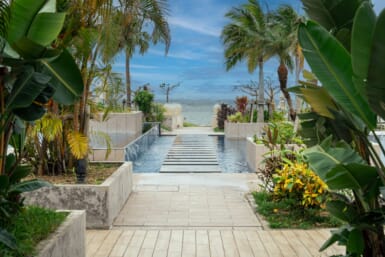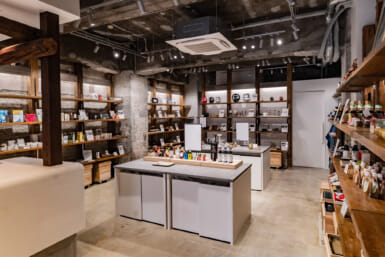

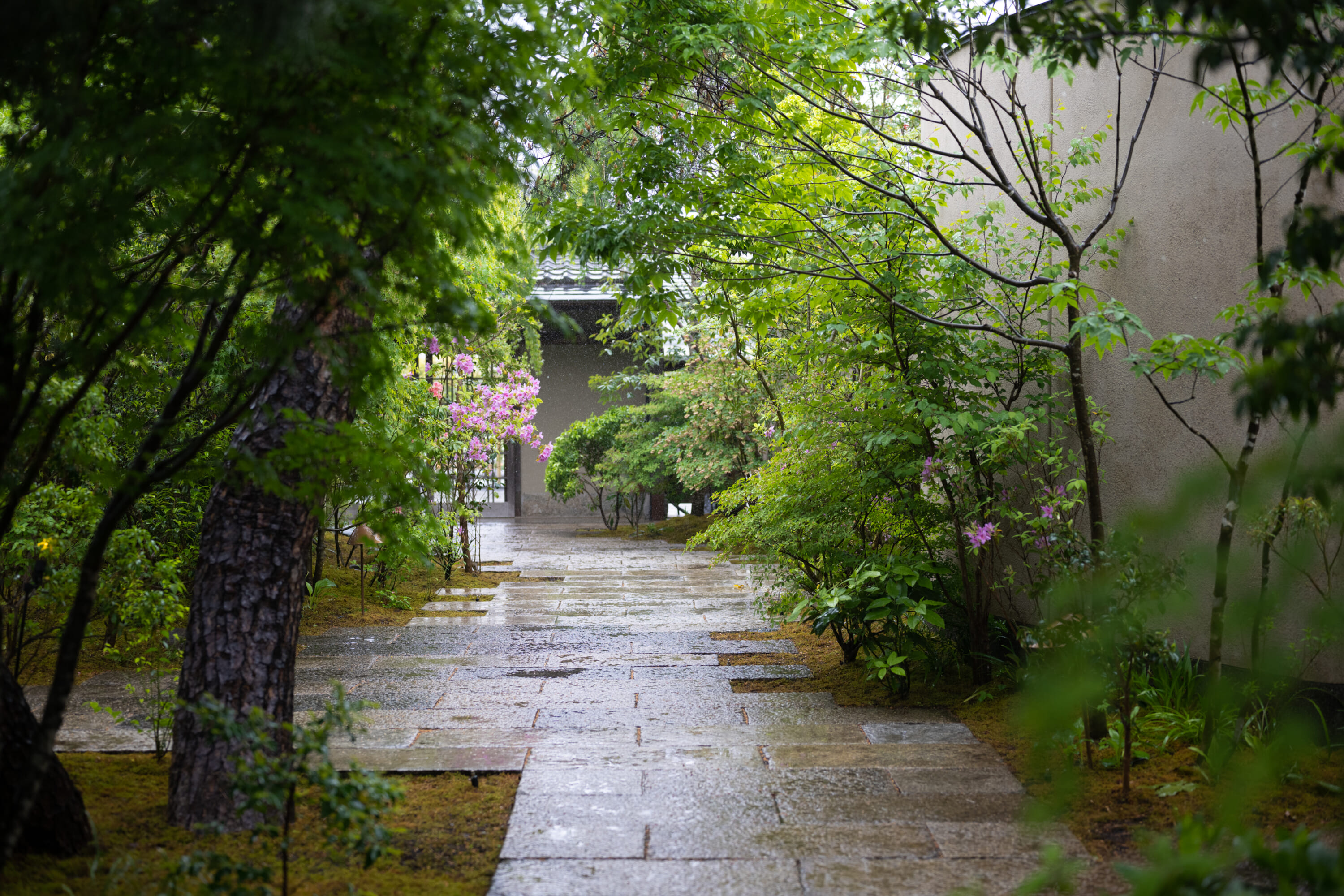
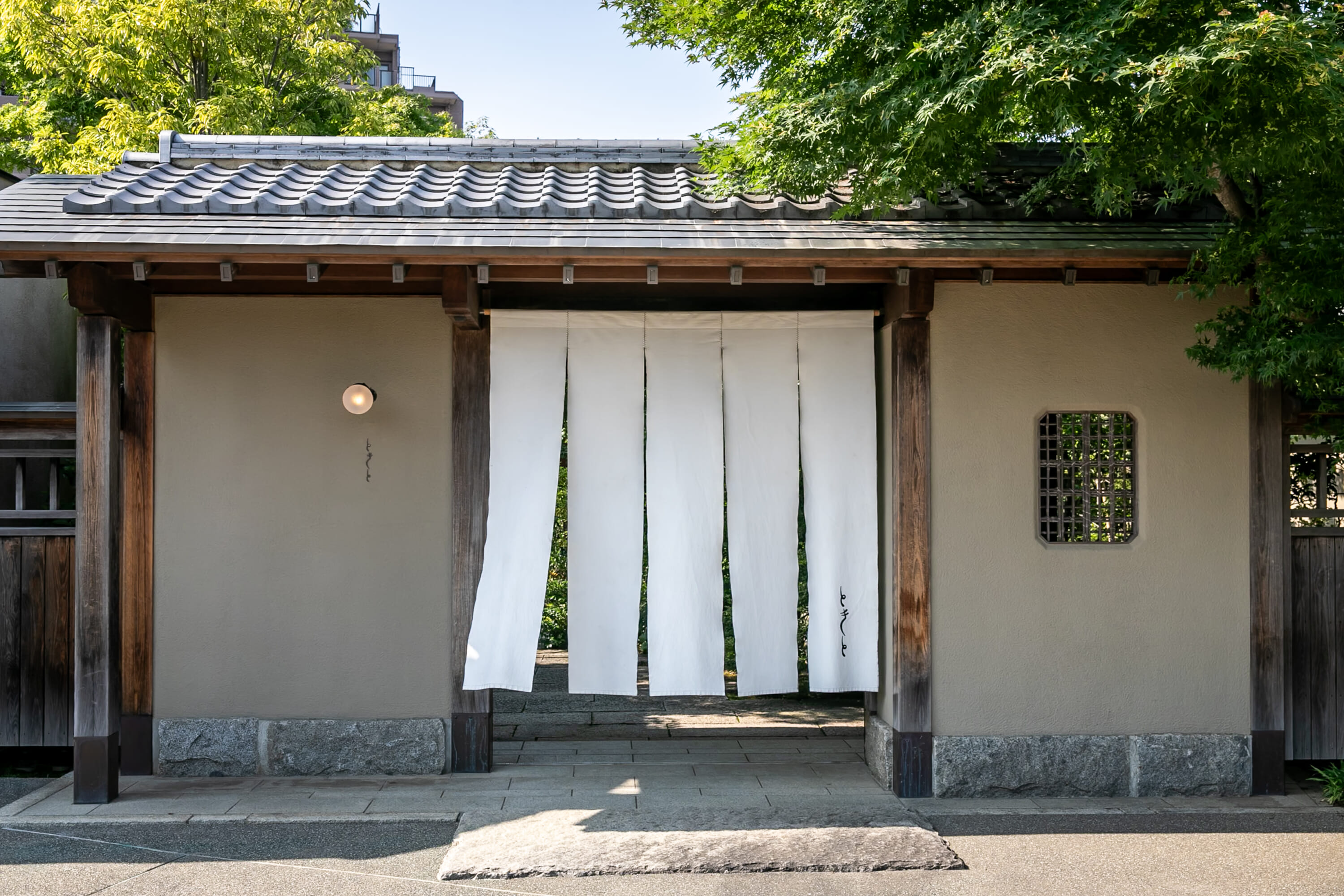
Located in an unassuming neighborhood on the outskirts of central Tokyo, Auberge Tokito feels like a quiet revelation. This refined retreat — featuring just four suites, a kaiseki restaurant and a dedicated tearoom — offers a tranquil, restorative experience within the city. Designed by renowned architect Shinichiro Ogata, it reinterprets the traditional ryokan through a contemporary lens: clean, minimalist lines; warm, natural materials; an intimate garden; and narrow pathways that guide guests gently through the property.
It’s only a minute’s walk from JR Nishi-Kunitachi Station in Tachikawa, but it feels worlds away from urban life. The transition from the outside world to the serene atmosphere of the auberge is instant.
Spacious Suites
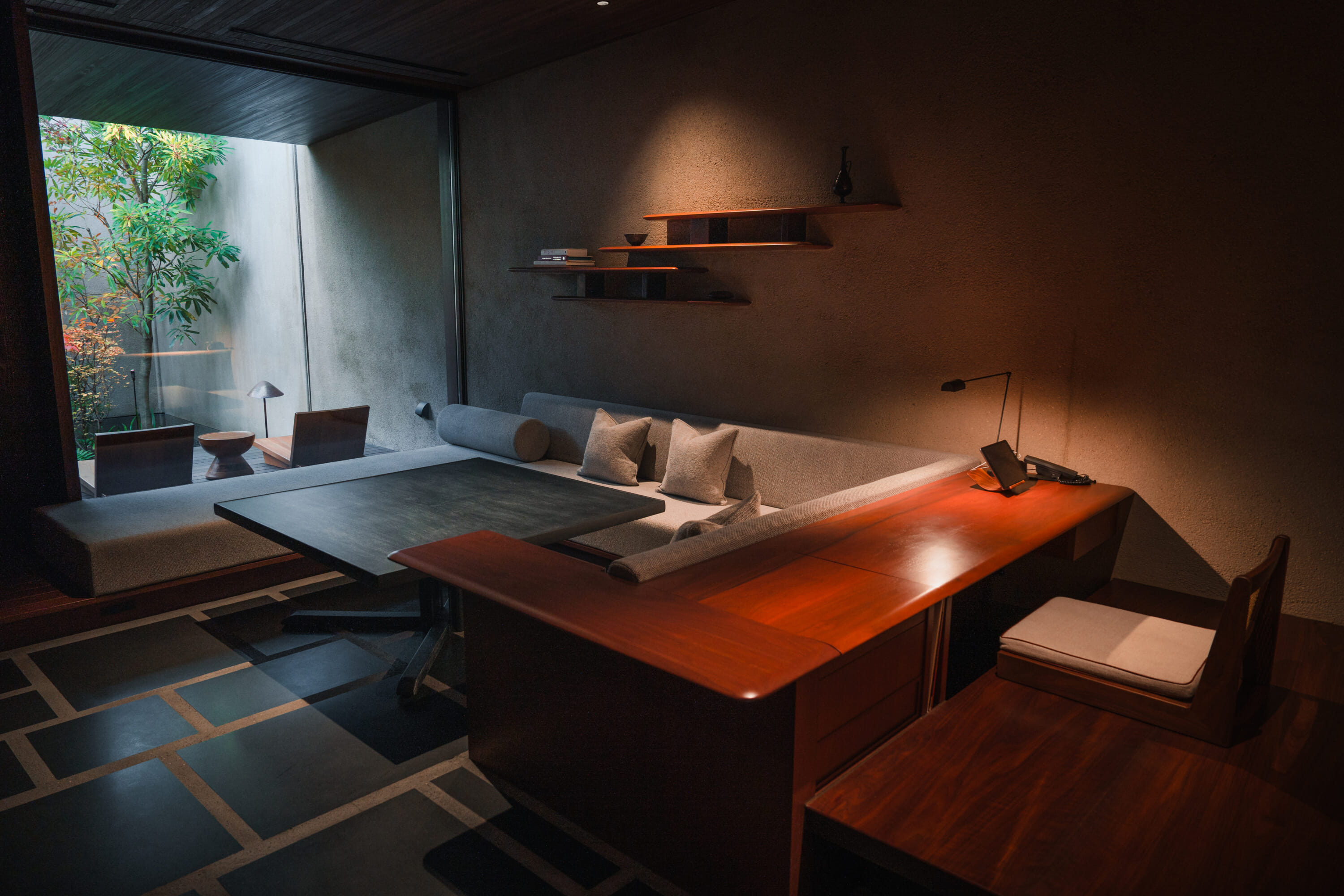
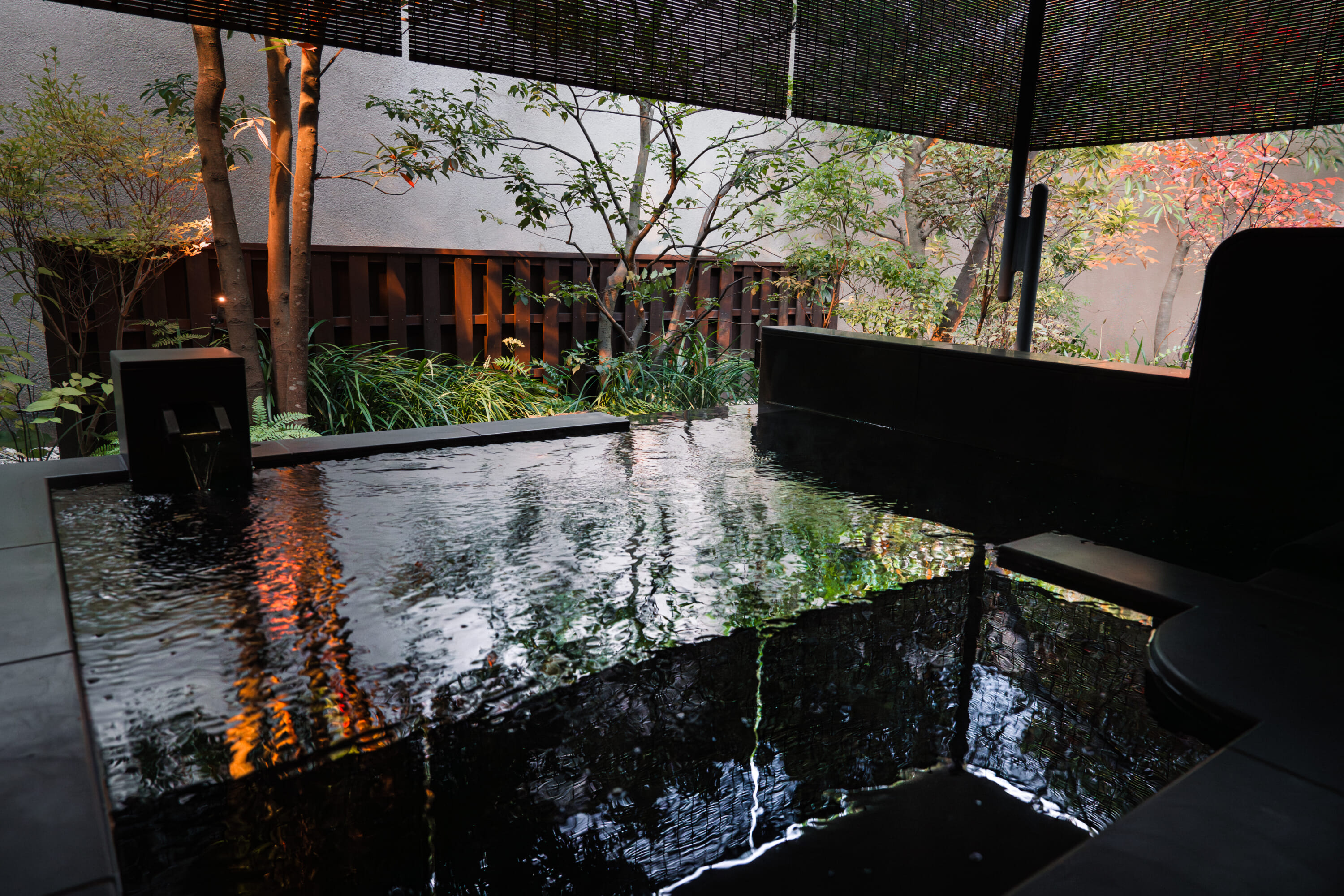
Upon arrival, guests pass through the grand entrance to a softly lit reception lounge accented with vacuum-tube amplifiers and a curated selection of vinyl. A seasonal welcome drink chosen by the in-house sommelier sets the tone, before guests are escorted to their suites — each 106 square meters and approached via a stone-lined garden path. Every room features a private open-air bath fed by mineral-rich hot spring water drawn from 1,300 meters below the property. Floor-to-ceiling garden views, retro record players and elastic horsehair pillows complete the experience.
The rooms feel like private residences — spacious, deeply comfortable and composed with the same careful intentionality seen throughout the property. Natural textures dominate: pale woods, washi-like textiles, soft lighting that warms rather than illuminates. As a unique perk, each suite includes a dedicated massage room alongside a generous living space and private garden.

Tokito’s Facilities
While it must be tempting to spend the whole afternoon relaxing in one’s suite — especially for those who take advantage of the in-room spa services — it’s also worth exploring the grounds. A variety of activities are available to guests, including a private pottery class with the property’s producer, Yoshinori Ishii, in which you can make your own piece. Fired on-site, your creation will be delivered to you upon completion.
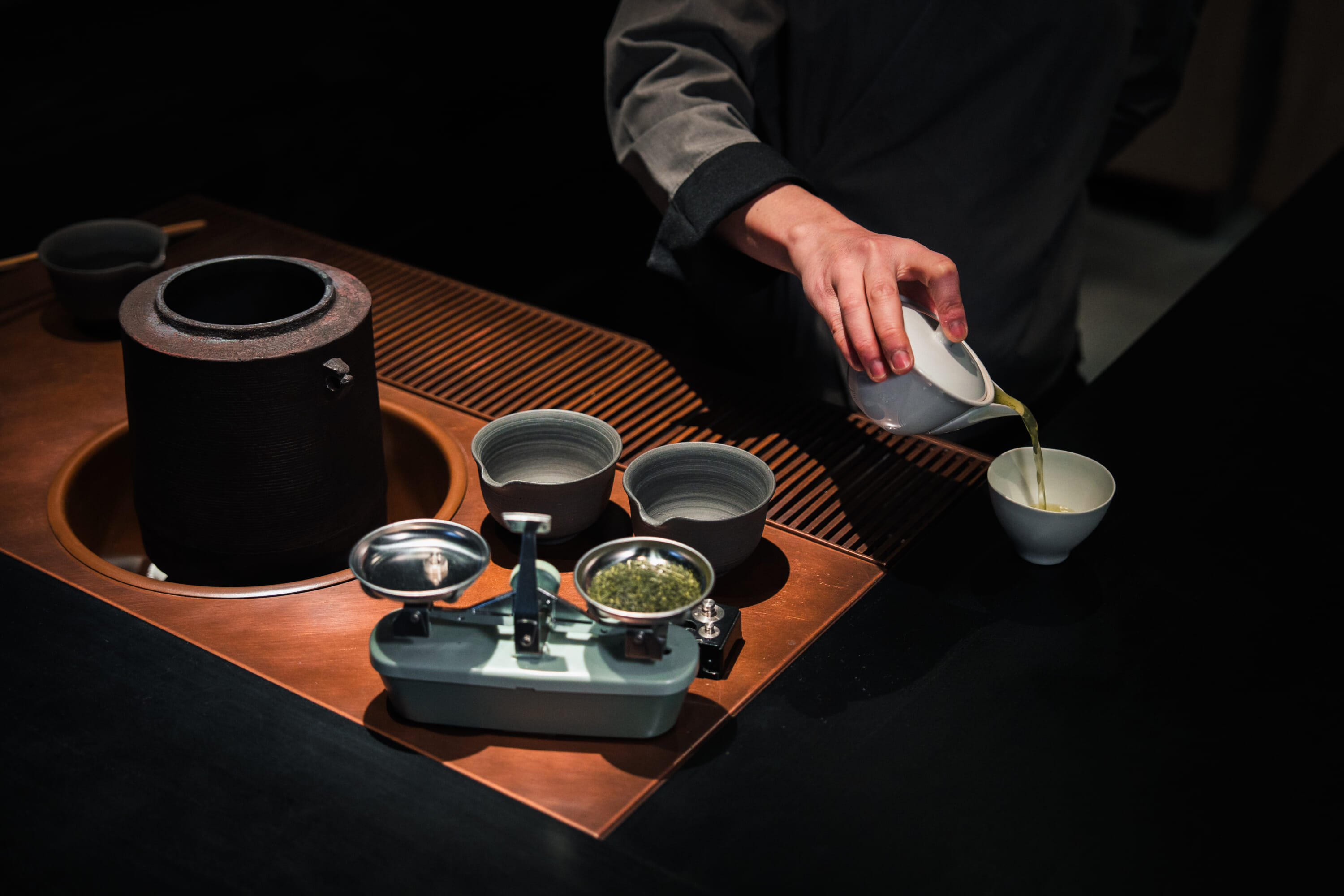
Visiting the enchanting Sabo tearoom is also recommended; it hosts tea experiences with varieties of carefully selected tea, savory bites and confections. (The tearoom is also open to day visitors, but advance reservations are required.)
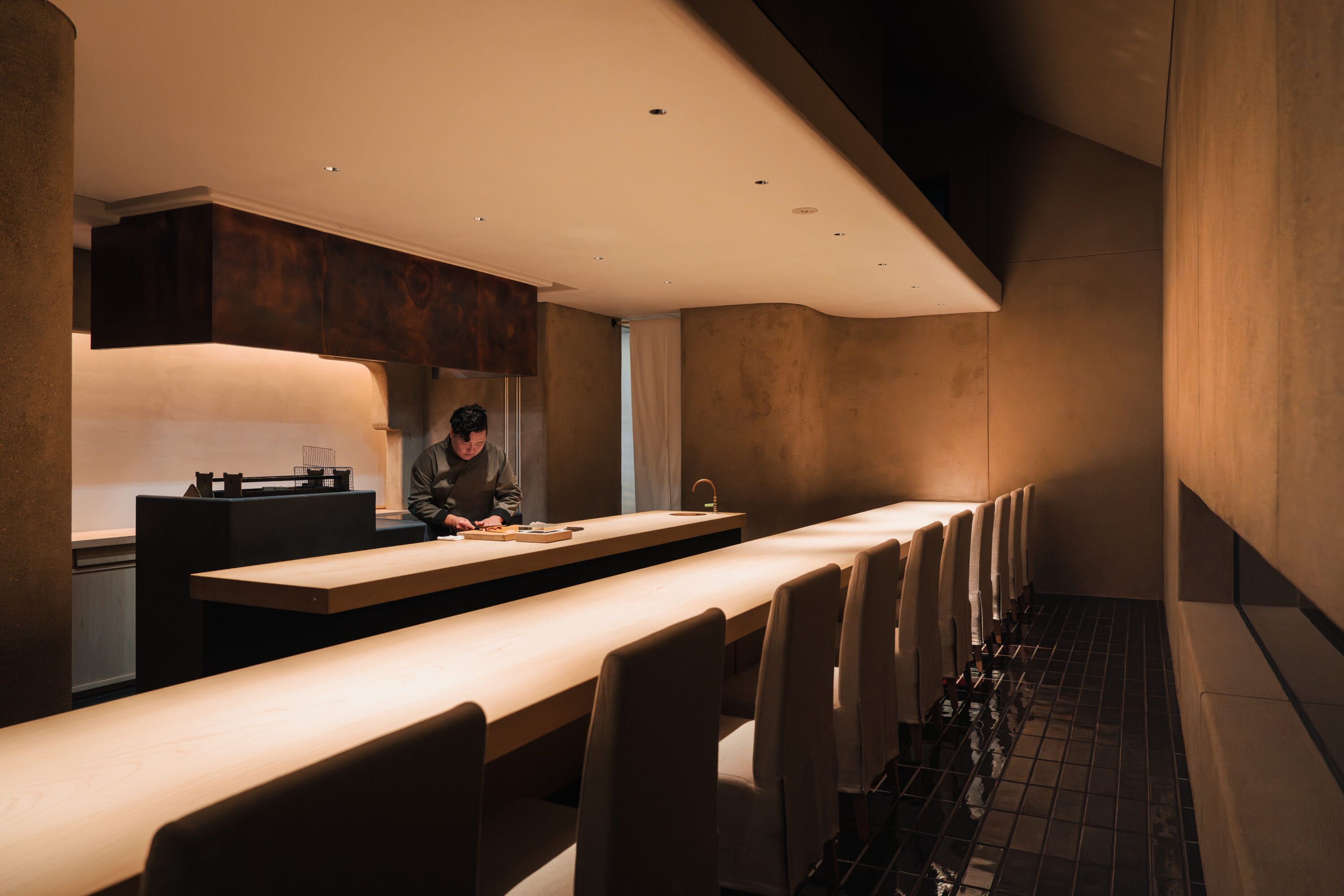
Dinner is served in the Shokubo dining area, where guests may choose a courtyard-facing table, one of three private rooms or — space permitting — a seat at the counter, which offers an intimate view of the chef’s work (priority is given to overnight guests). Wherever one sits, the experience promises something singular.


Artisan Cuisine
Food is at the heart of the Tokito experience. Ishii, a world-renowned chef, is invested in every step of the culinary process — he even makes most of the restaurant’s plates and bowls by hand. The restaurant, he says, is centered around the culinary concept of “artisan cuisine,” with a number of skilled chefs crafting multicourse meals that are unconstrained by the rules of traditional kaiseki techniques. It’s an establishment that prides itself on seeking out high-quality and often rare ingredients from all over Japan, sourced directly from sustainable producers, fishermen and experienced hunters, while also using food that might have otherwise been discarded.
General manager and head chef Kenji Okawara, who leads the team alongside Ishii, believes it’s vital for Tokito’s chefs to look beyond what is “traditionally” seen as being in season. “March might be the best time to eat mountain vegetables in Kyoto, but in Hokkaido, the situation is different,” he says. “Sourcing our ingredients nationwide with a variety of producers gives us more flexibility and allows us to be more creative than, say, an established kaiseki restaurant in Kyoto where ingredients tend to be procured locally. We’re less constrained, which means we can surprise our customers.”
Menus change every few months, though one constant is ujio: a rich, viscous kombu-and-salt seasoning that serves as a substitute for soy sauce. Ishii came up with the idea while working as executive chef at the trendy London eatery Umu. “I saw customers covering their fish in soy sauce, spoiling the flavor of the ingredients,” he says. This alternative, designed to “enhance the flavor of the seafood,” is made from Rausu kombu — a rare, umami-rich type of kelp from the Rausu area of Hokkaido. “It’s proved to be very popular.”
A Passion Project
Ishii and Okawara first met while working at the acclaimed national cuisine restaurant Kyoto Kitcho Arashiyama. The pair became very close before heading in different directions. Okawara enhanced his reputation domestically, working at various Michelin-starred eateries. Ishii, meanwhile, headed overseas, living in New York and Geneva before taking over the reins at Umu, which went on to become the first Japanese restaurant in Europe to be awarded two Michelin stars.
Tokito brought them back together. The property — formerly an 80-year-old kaiseki restaurant called Mumon-an — had been purchased by an urban development company called Tachihi Holdings, which contacted the pair and asked if they’d be interested in running it. For both, it’s a true passion project: a culmination of years spent honing technique, intuition and perspective, not only in cuisine but in hospitality and craft as well. At its heart, Auberge Tokito has a simple mission: to share the depth and beauty of Japan — its ingredients, traditions and sense of meticulous care — with guests from around the world.
Despite being rooted in history, the inn is not constrained by it; it’s a considered, luxurious blend of the modern and traditional. “We want to still be here decades from now, and for that to happen, it’s essential that we continue to evolve,” says Ishii. “Our way of thinking here is to respect ancient practices, but not be bound by them.”
More Info
To book a room at Auberge Tokito, click here.